Source Eco Friendly Sage Incense Burner for Home and Office
Find 30 eco friendly sage incense burner options from Chinese manufacturers. Compare ceramic and walnut designs with various scents and sizes for religious, aromatic, and home decoration uses. Evaluate specifications like size, weight, and packaging details to select the right product for your business needs.
Key considerations
Products List
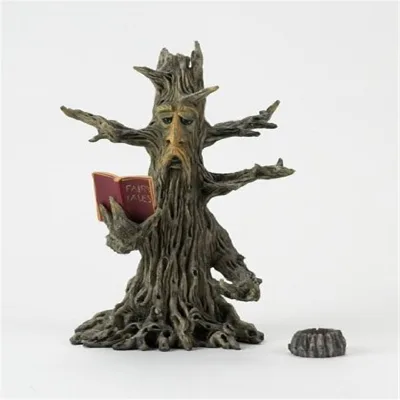
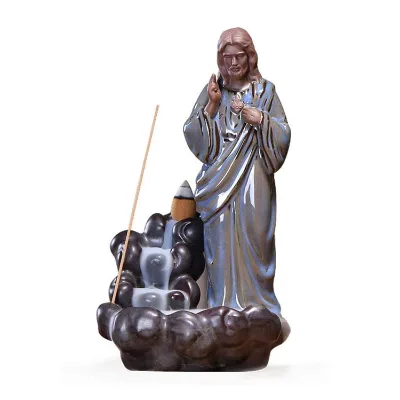
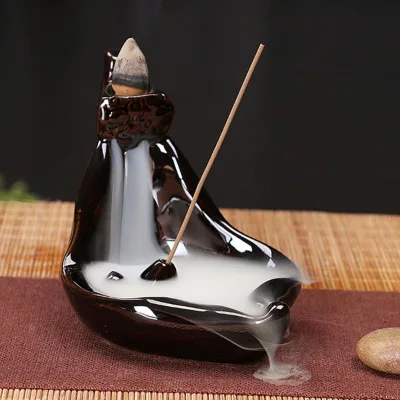
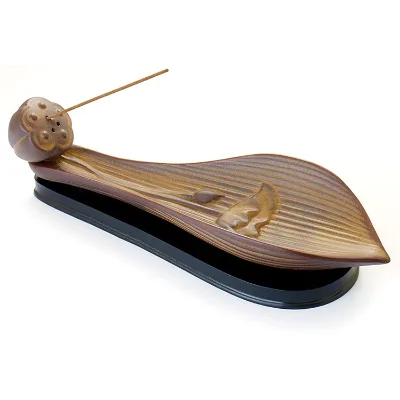
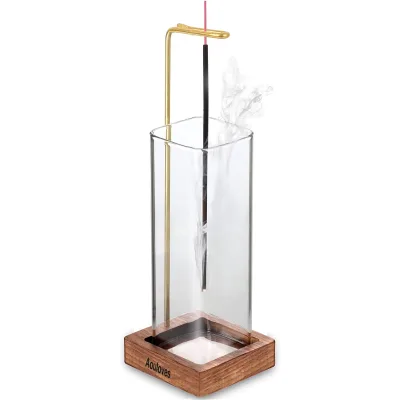
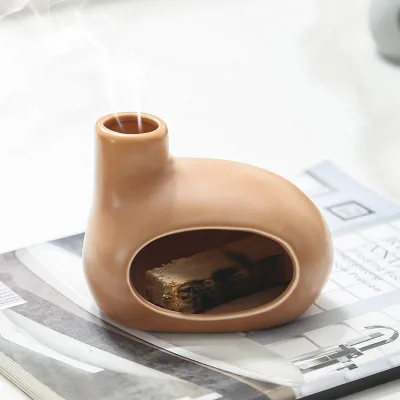
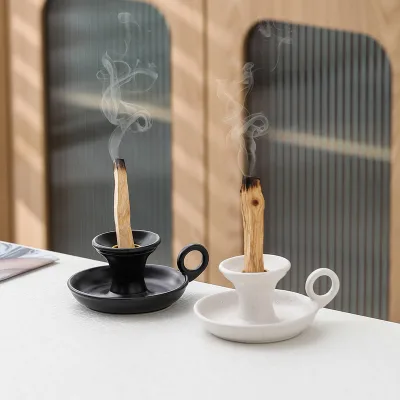
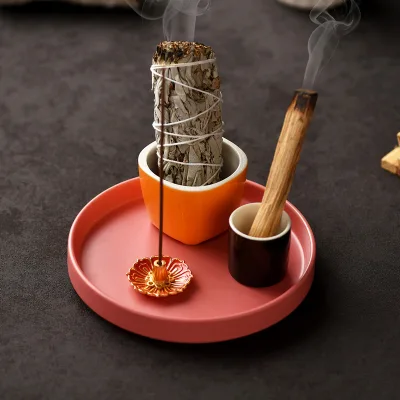
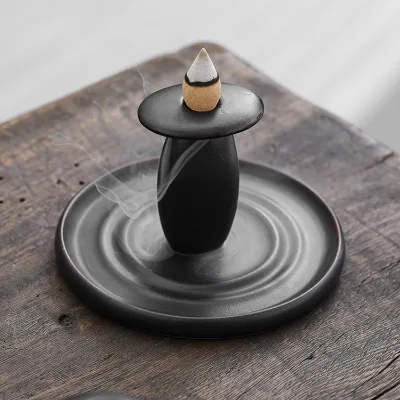
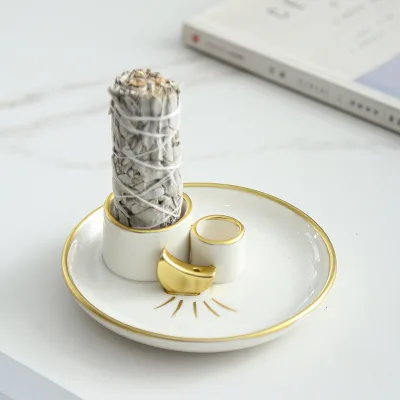
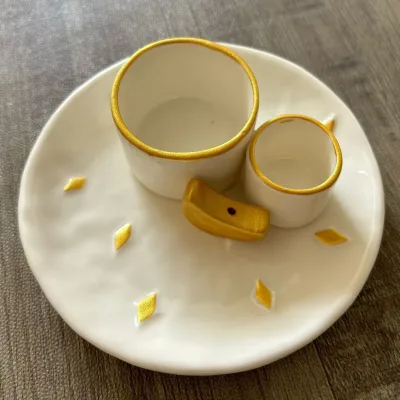
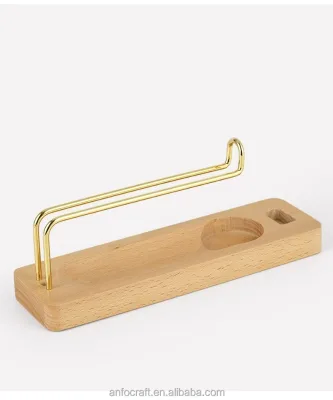
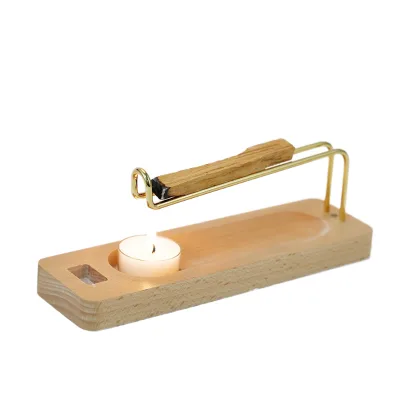
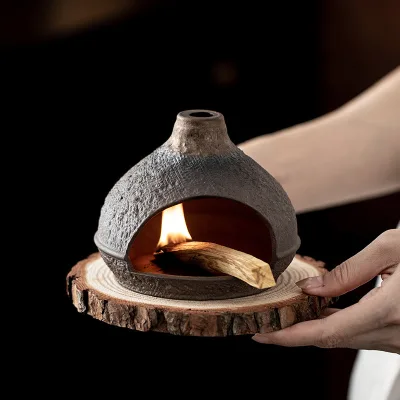
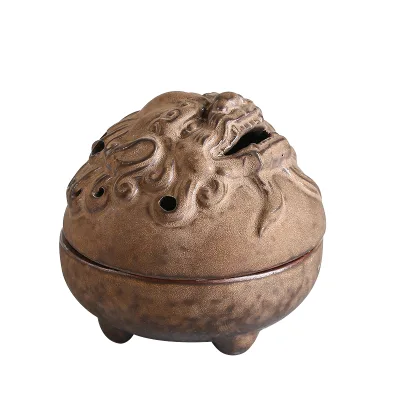
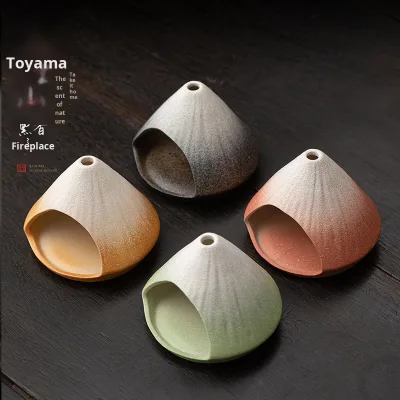
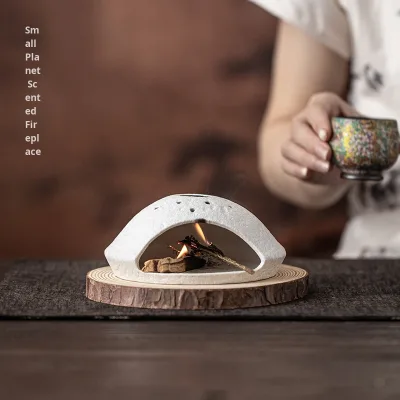
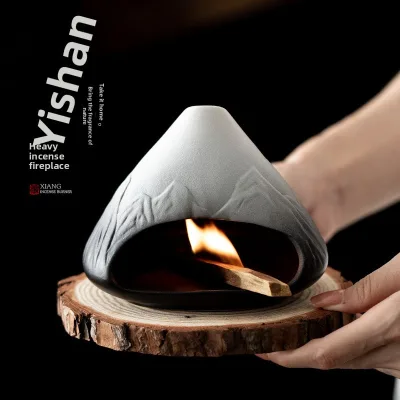
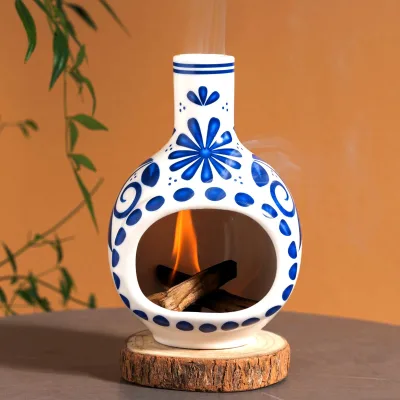
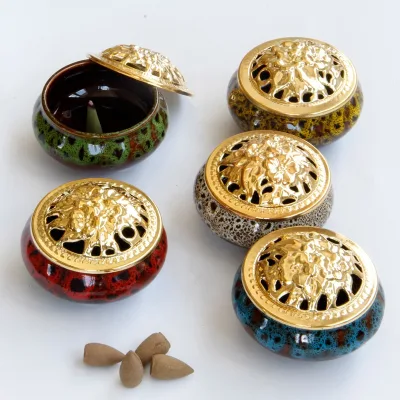


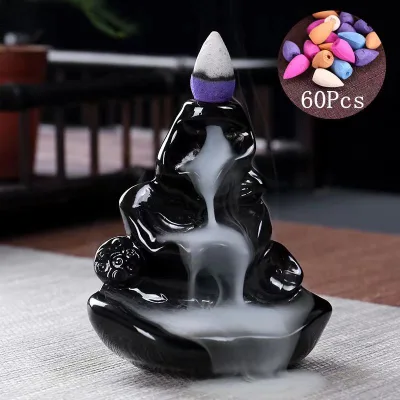
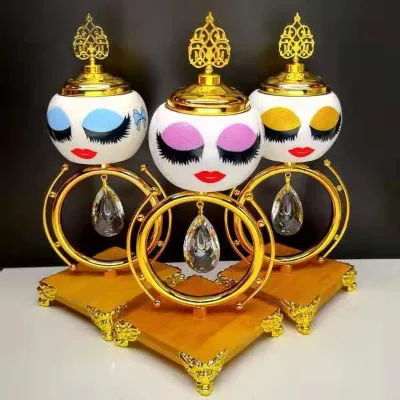


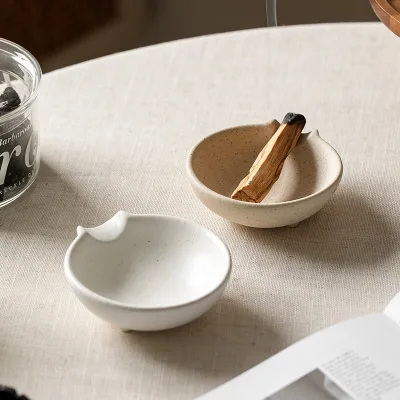
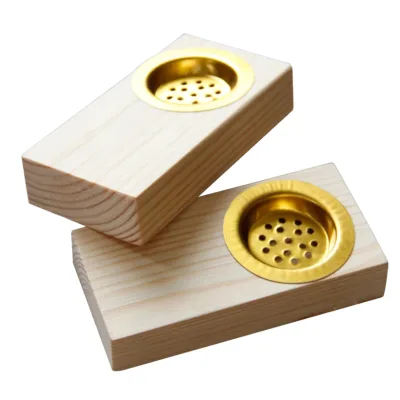
Comprehensive Sourcing Guide
Eco Friendly Sage Incense Burner Sourcing Guide
Sourcing an eco-friendly sage incense burner requires distinguishing between the vessel and the consumable, as the provided data highlights ceramic burners paired with various scents like honey peach, orange blossom, and sandalwood. While the core keyword emphasizes sage, the observed listings feature a diverse range of aromas including ginger, candy, and rose, indicating that suppliers often stock versatile ceramic units compatible with multiple incense types. Buyers must verify if the specific "sage" scent is available as a standalone product or if the ceramic burner is the primary item being sourced for general aromatic use.
The product scope reveals a mix of single-item selling units and bulk packaging options, with observed minimum order quantities ranging from one to one thousand pieces. This variability suggests that buyers can source small trial batches or large commercial orders, but the specific "eco-friendly" claim must be validated against the actual material composition, which is predominantly ceramic. Procurement teams should focus on the functional attributes of the burner, such as its use for religious or home decoration purposes, rather than assuming the ceramic vessel itself is the source of the eco-friendly certification.
Product Scope and Observed Listing Signals
The observed product listings indicate a strong presence of ceramic incense burners originating from Chinese manufacturing hubs like Fujian and Guangdong, with specific model numbers such as BBC-1059 and JY-0106. These units are described with features like "home decoration" and "religious" use, suggesting a dual market appeal for both domestic consumers and institutional buyers. The color palette is extensive, ranging from brown, dark gray, and black to milky white and ivory, allowing buyers to select burners that match specific interior design aesthetics or cultural requirements.
Listing signals also point to significant customization capabilities, with suppliers welcoming OEM and ODM requests for customized sizes and branding. The single package sizes vary from approximately 11x11x5.2 cm to larger dimensions like 20x20x10 cm, reflecting different burner capacities and shapes. Buyers should note that while some listings mention specific wood types like sandalwood or walnut, these often refer to the incense sticks used with the burner rather than the burner material itself, necessitating careful review of product descriptions to avoid confusion between the vessel and the fuel.
Technical Specifications to Verify
Buyers must rigorously verify the physical dimensions and weight specifications to ensure the burner fits intended display spaces or shipping constraints. The data shows single gross weights ranging from 0.400 kg to 1.000 kg, with package sizes varying significantly, which impacts logistics planning and shelf space allocation. Confirming the exact model number and single package size is critical, as the "around 11115.2cm" specification may differ from the "17X15X6 cm" variant, and these differences directly affect the unit cost and shipping volume calculations.
Material composition is another critical technical parameter, as the listings consistently identify the primary material as ceramic, which is generally durable and heat-resistant. However, the presence of terms like "seed type: Coriander" or "wood type: SANDALWOOD" in the attribute list requires clarification to ensure these refer to the incense contents rather than the burner construction. Buyers should request detailed material safety data sheets to confirm that the ceramic glaze and any decorative elements are free from harmful heavy metals, ensuring the product remains safe for indoor aromatic use.
Compliance and Safety Documentation
Safety compliance for ceramic incense burners primarily involves verifying that the product meets local fire safety standards and does not release toxic fumes when heated. While the provided facts mention "Eco-friendly" as a feature, this claim requires independent verification through third-party testing reports, as the term is not a regulated standard in itself. Buyers should demand evidence that the ceramic material is non-toxic and that the product has passed thermal shock tests to prevent cracking during repeated heating cycles.
Documentation regarding the origin of the product is equally important, with listings specifying origins in Fujian, Guangdong, and general China regions. Buyers must ensure that the supplier can provide a Certificate of Origin and that the manufacturing process adheres to environmental regulations in the exporting country. Although "safe package" is mentioned in the data, this is a generic description; procurement teams should request specific packaging test results to confirm that the burners are protected against breakage during transit, which is essential for maintaining product integrity and reducing waste.
Cost Drivers and Commercial Terms
The cost of sourcing these burners is influenced by the minimum order quantity, which ranges widely from 200 to 500 pieces for specific models, and the supply ability of the manufacturer. The observed supply capacity of 3000 pieces per month suggests that while small orders are feasible, large volume procurement may require advance scheduling to align with production cycles. Buyers should negotiate based on the specific model number and customization level, as OEM requests for unique sizes or branding will likely incur higher unit costs compared to standard stock items.
Commercial terms also hinge on the port of dispatch, with Xiamen identified as a key shipping hub for these products. Logistics costs will vary depending on the single gross weight and package dimensions, which can range from 0.4 kg to 1.0 kg per unit. Buyers should calculate the total landed cost by factoring in freight charges, insurance, and potential tariffs, as the "safe packing" described in the listings may not be sufficient for international shipping without additional reinforcement. Clear agreements on payment terms and lead times are essential to manage cash flow and inventory levels effectively.
Supplier Qualification and Quality Control
Supplier qualification should focus on their ability to deliver consistent ceramic quality and their experience with international trade requirements. The data indicates that many suppliers offer "OEM & ODM" services, which implies a level of manufacturing flexibility, but buyers must verify their quality control processes to ensure that every batch meets the specified color and size tolerances. It is advisable to request samples of different color variants, such as black, white, or brown, to check for consistency in glaze finish and structural integrity before committing to a large order.
Quality control protocols must include visual inspections for defects like cracks or uneven surfaces, as well as functional tests to ensure the burner can safely hold burning incense. The presence of "religious" and "aromatic" use cases suggests that the product must maintain its aesthetic appeal over time without degrading. Buyers should establish a clear acceptance criteria document that defines acceptable defect rates and requires the supplier to provide pre-shipment inspection reports, ensuring that the final product aligns with the "home decoration" and "feature" expectations outlined in the product descriptions.
Long-Term Procurement Checks
Establishing a long-term partnership requires regular audits of the supplier's production capacity and adherence to the agreed-upon specifications. The observed "All-Season" usage claim suggests that the product should perform reliably year-round, but buyers must monitor for any seasonal fluctuations in material quality or production delays. Maintaining open communication channels regarding supply chain disruptions is crucial, especially given the reliance on specific ports like Xiamen and the potential for logistical bottlenecks in the region.
Continuous improvement initiatives should be integrated into the procurement strategy, focusing on enhancing the "eco-friendly" attributes of the product line. Buyers should work with suppliers to explore sustainable packaging solutions and energy-efficient manufacturing processes that align with global environmental standards. Regular reviews of the product portfolio, including new model numbers and scent variations, will ensure that the sourcing strategy remains competitive and responsive to changing market demands for aromatic home accessories.
FAQs
What materials are used for eco friendly sage incense burners?
These burners are typically crafted from ceramic or walnut wood. Ceramic options offer durability and heat resistance, while wooden variants provide a natural aesthetic. Both materials are selected for their ability to safely hold burning incense without degrading, ensuring a stable base for aromatic use in home settings.
Can I customize the size of the incense burner?
Yes, customized sizes are highly welcomed for OEM and ODM requests. Buyers can specify dimensions such as around 11x11x5.2cm or larger formats like 20x20x10cm. This flexibility allows businesses to tailor the product to specific packaging or retail display requirements while maintaining the core functional design of the burner.
What is the typical MOQ for ceramic incense burners?
The minimum order quantity generally ranges from 200 to 500 pieces depending on the specific model and customization level. Standard items may have an MOQ of 200 pcs, while more complex designs or those requiring specific packaging adjustments might require 500 pcs. This ensures efficient production runs for suppliers.
Which scents are compatible with these ceramic burners?
These burners are compatible with a wide variety of scents including sage, lavender, sandalwood, rose, and citrus. The open design allows for effective diffusion of aromatic smoke. They are suitable for religious, aromatic, or anti-odour uses, making them versatile for different consumer preferences and home decoration needs.
Where are these incense burners manufactured?
These products are primarily manufactured in China, with specific origins in Fujian and Guangdong provinces. These regions are known for their ceramic and woodworking expertise. The port of dispatch is typically Xiamen, facilitating efficient logistics for international buyers seeking high-quality home decoration and aromatic accessories from established manufacturing hubs.
What is the supply capacity for these burners?
The supply ability is approximately 3000 pieces per month. This capacity supports steady orders for retailers and distributors. Buyers should consider this limit when planning large-scale procurement. The production rate ensures consistent availability of stock, allowing for reliable fulfillment of orders without significant delays in the sourcing process.